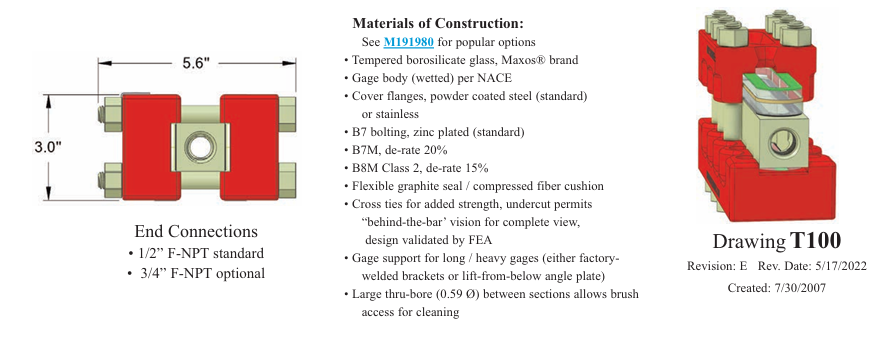
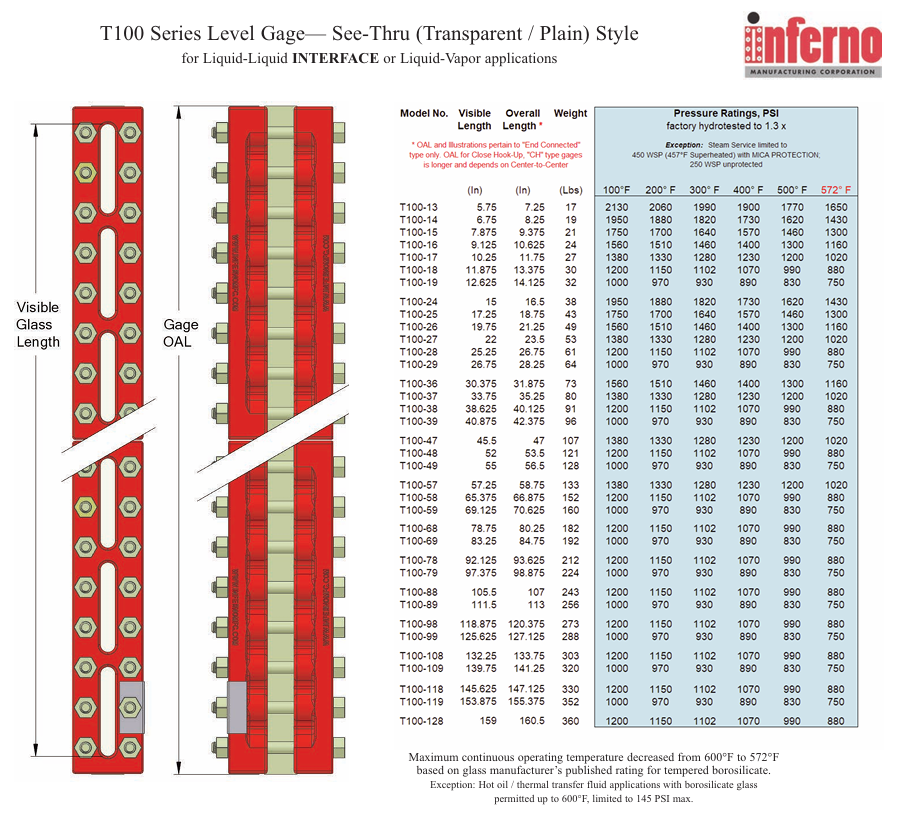
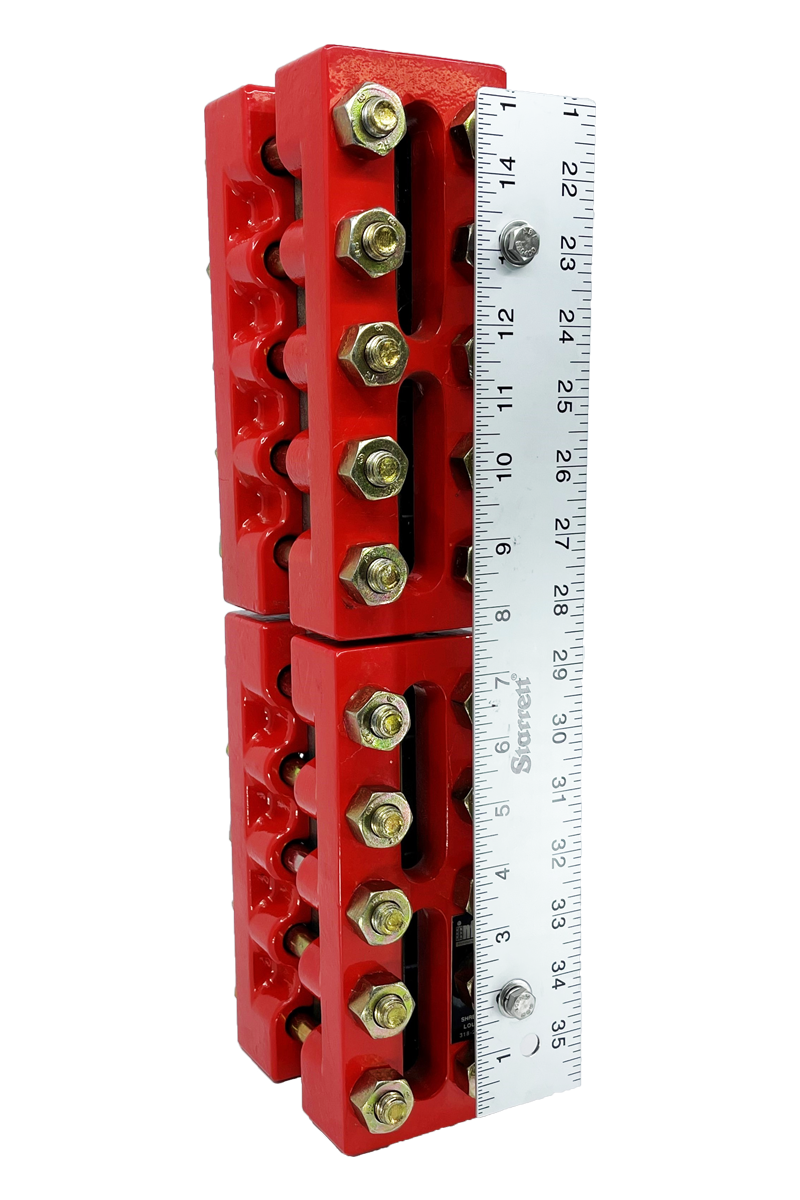
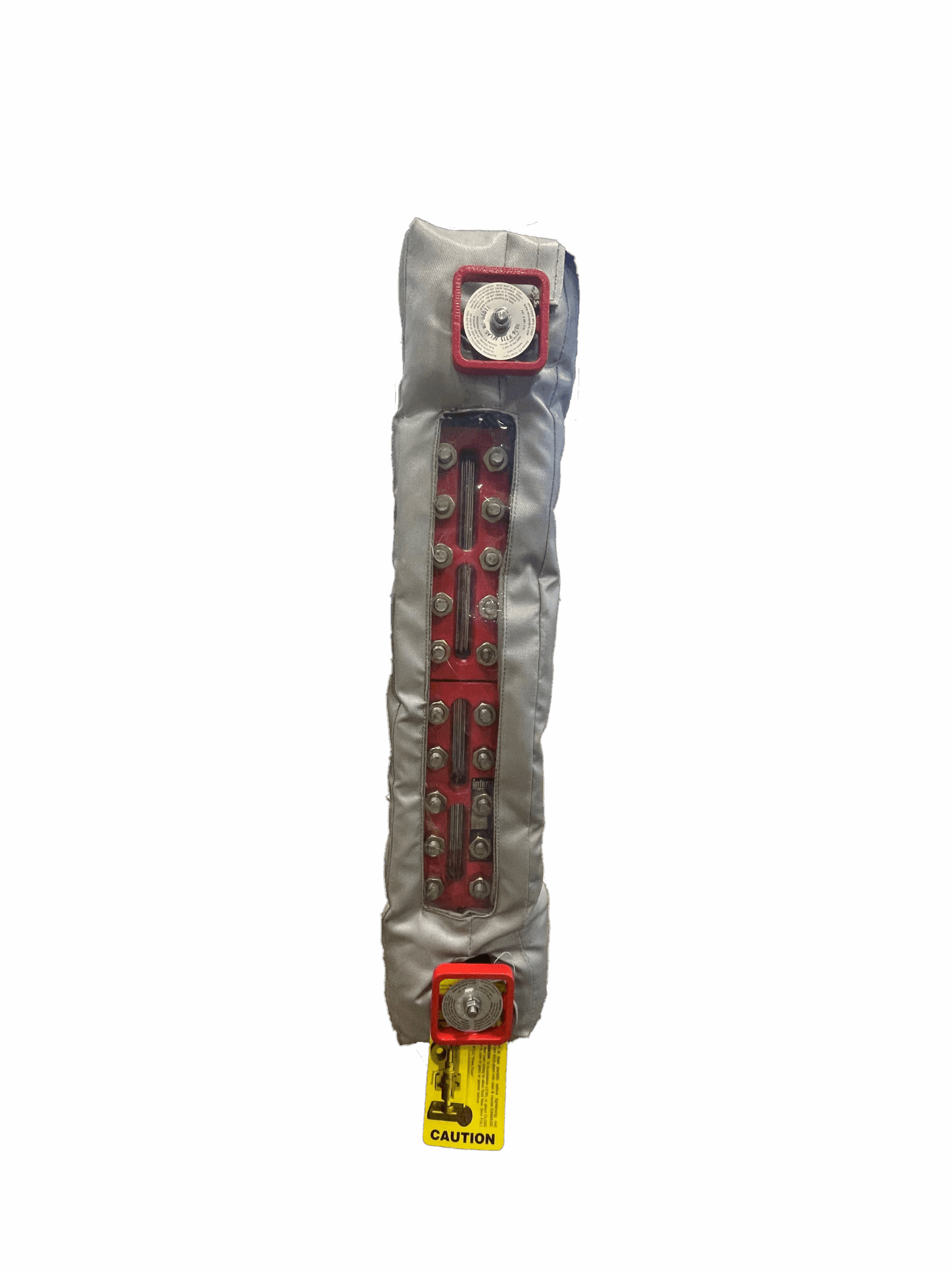
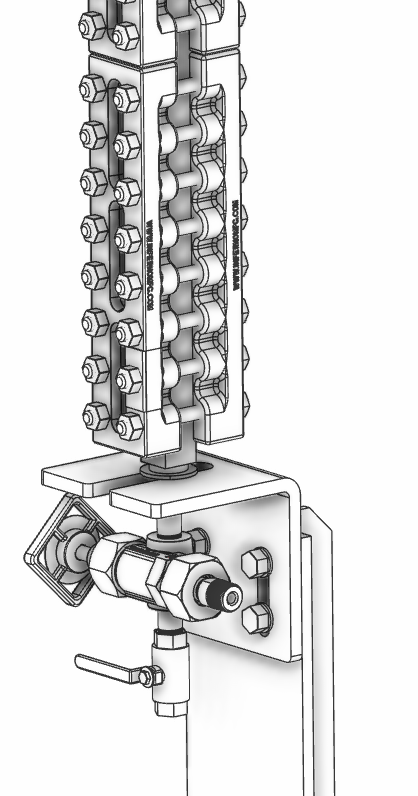
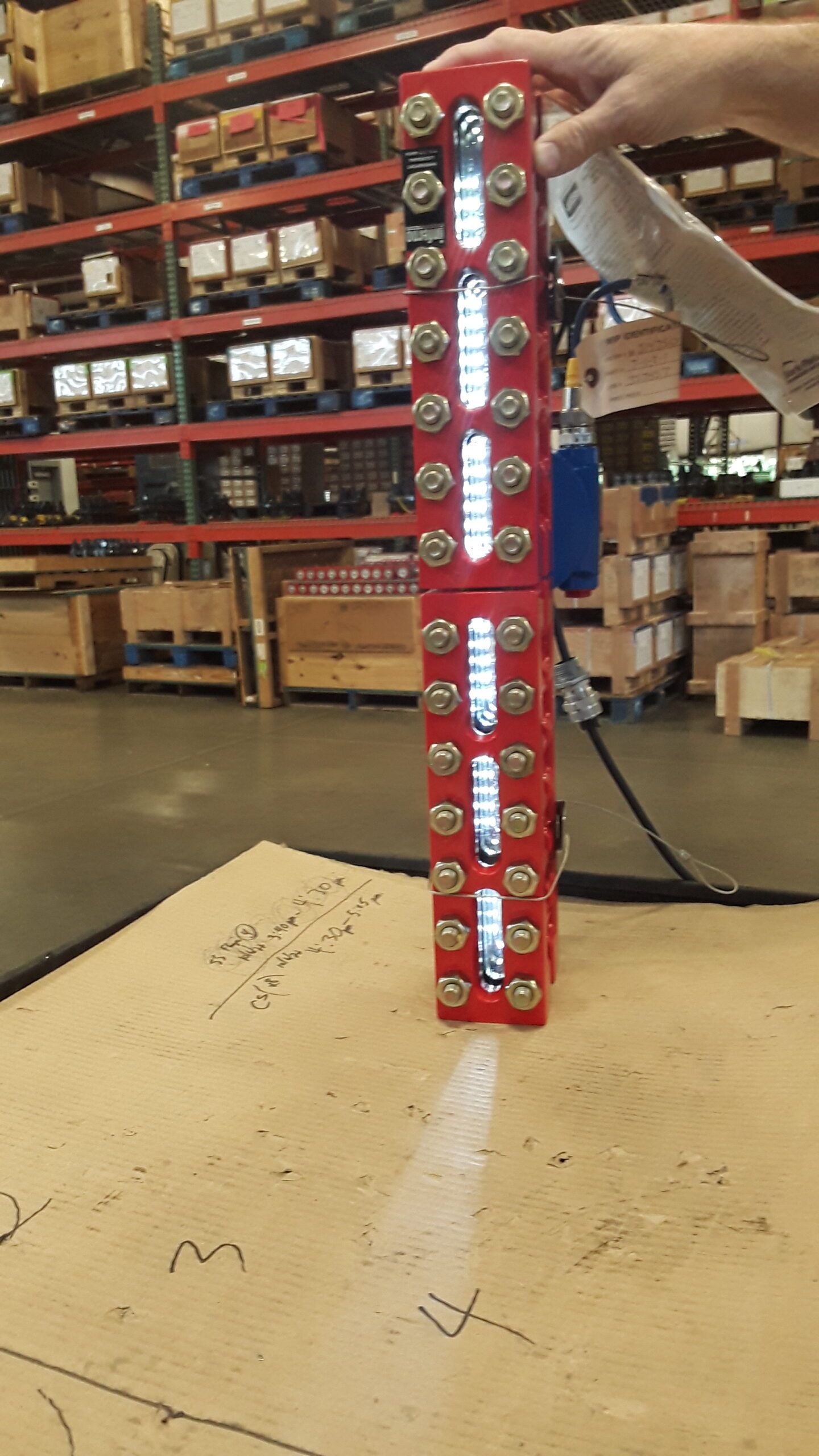
Transparent glass, for 3-phase system, Liquid - Liquid aka "Interface"
Product Information
Transparent glass, for 3-phase system, Liquid - Liquid aka "Interface"
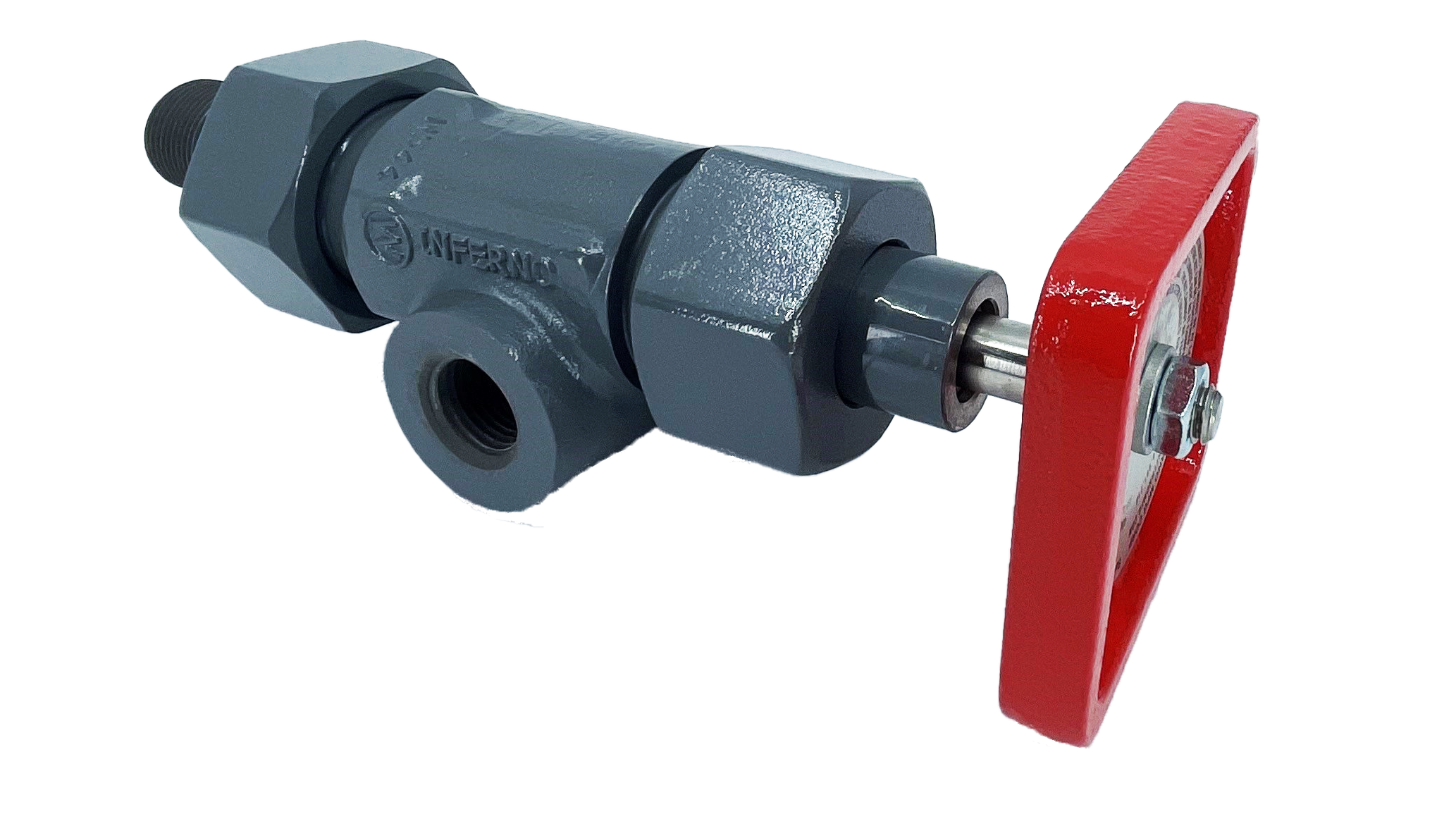
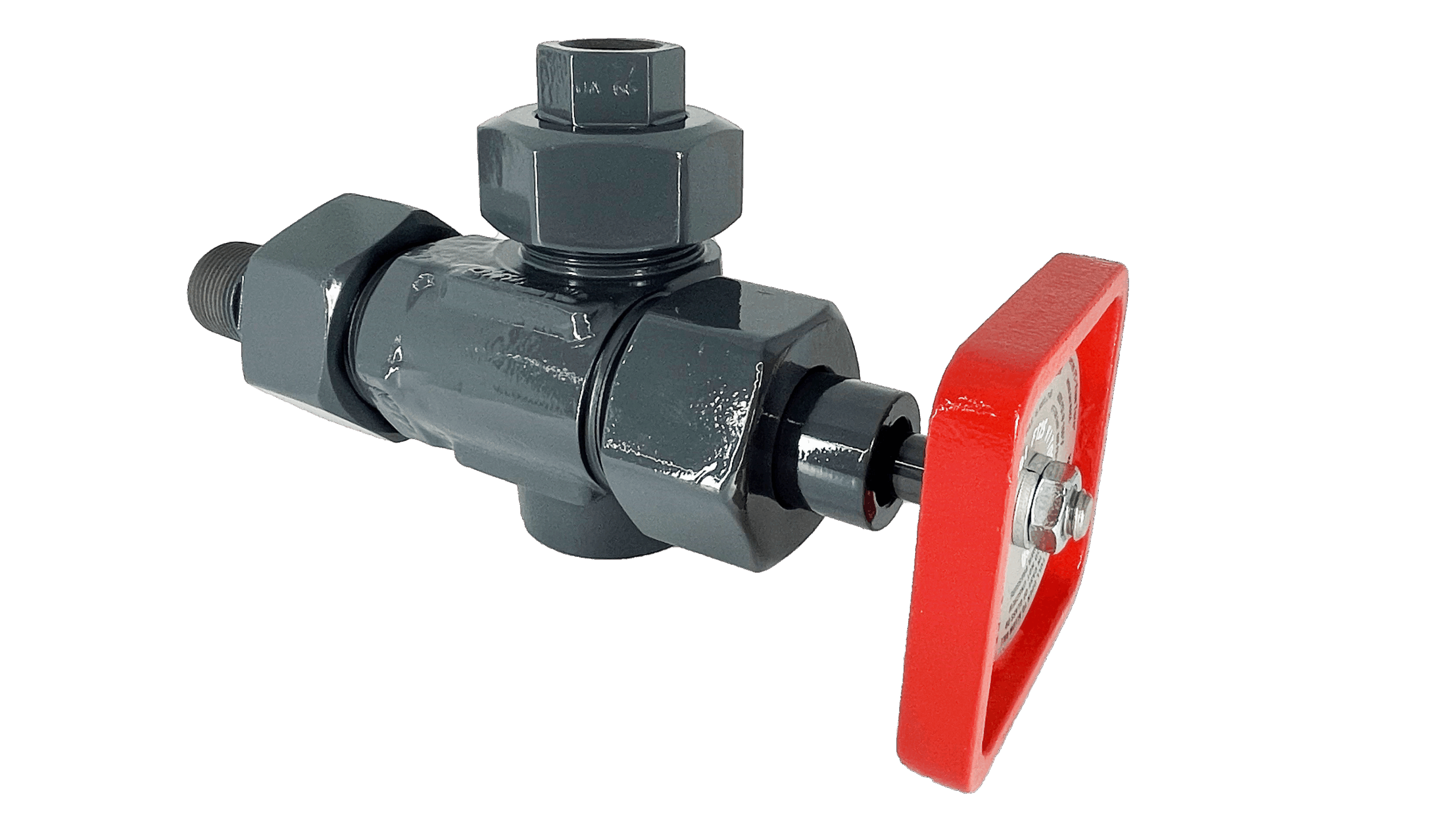
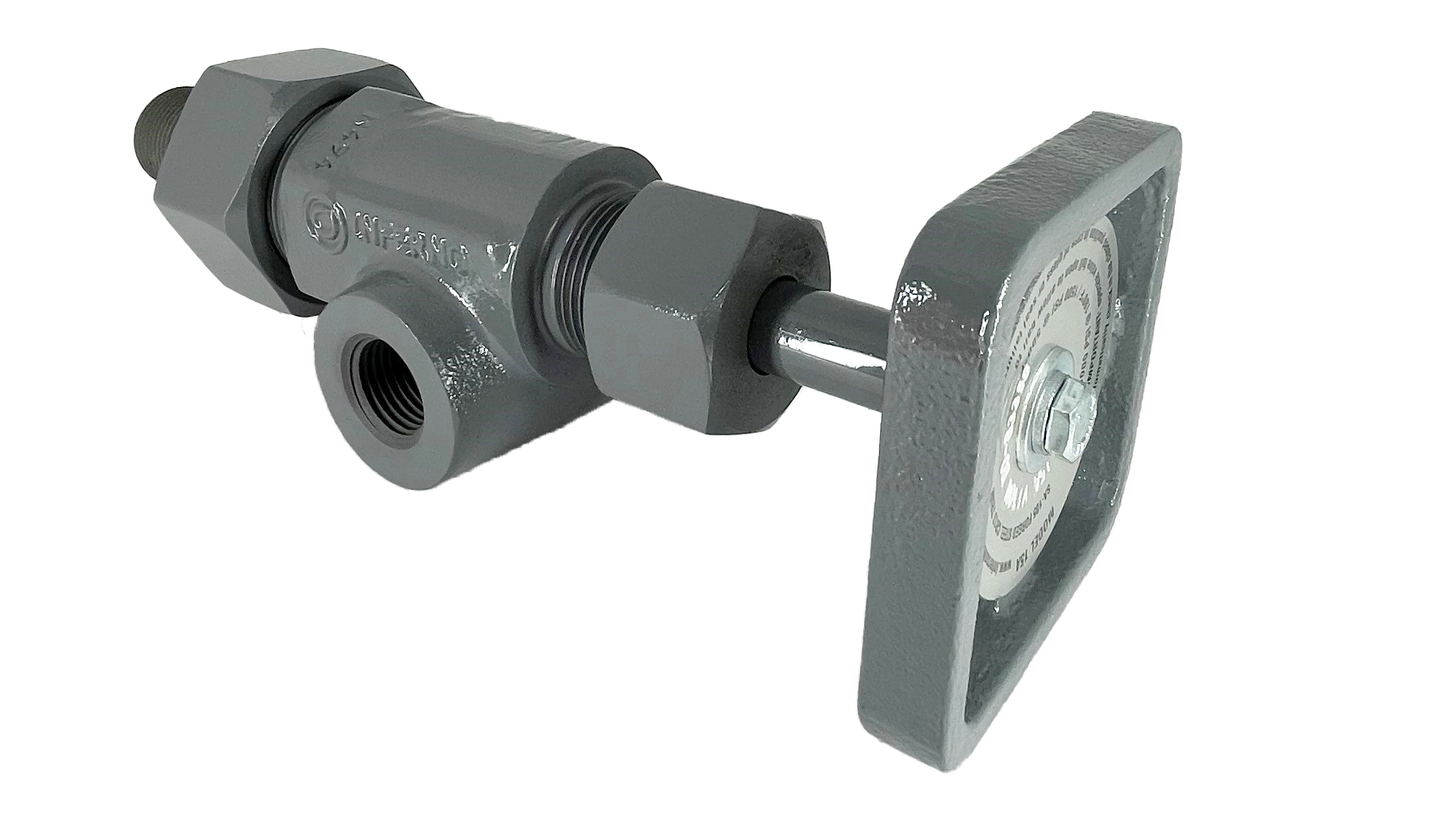
“Armored” Gage Glass design with flat glass insert, sometimes known as “gage glass column”
TRANSPARENT glass LEVEL GAGES are also known as “plain glass type” or “double sided”, or “See-Thru”
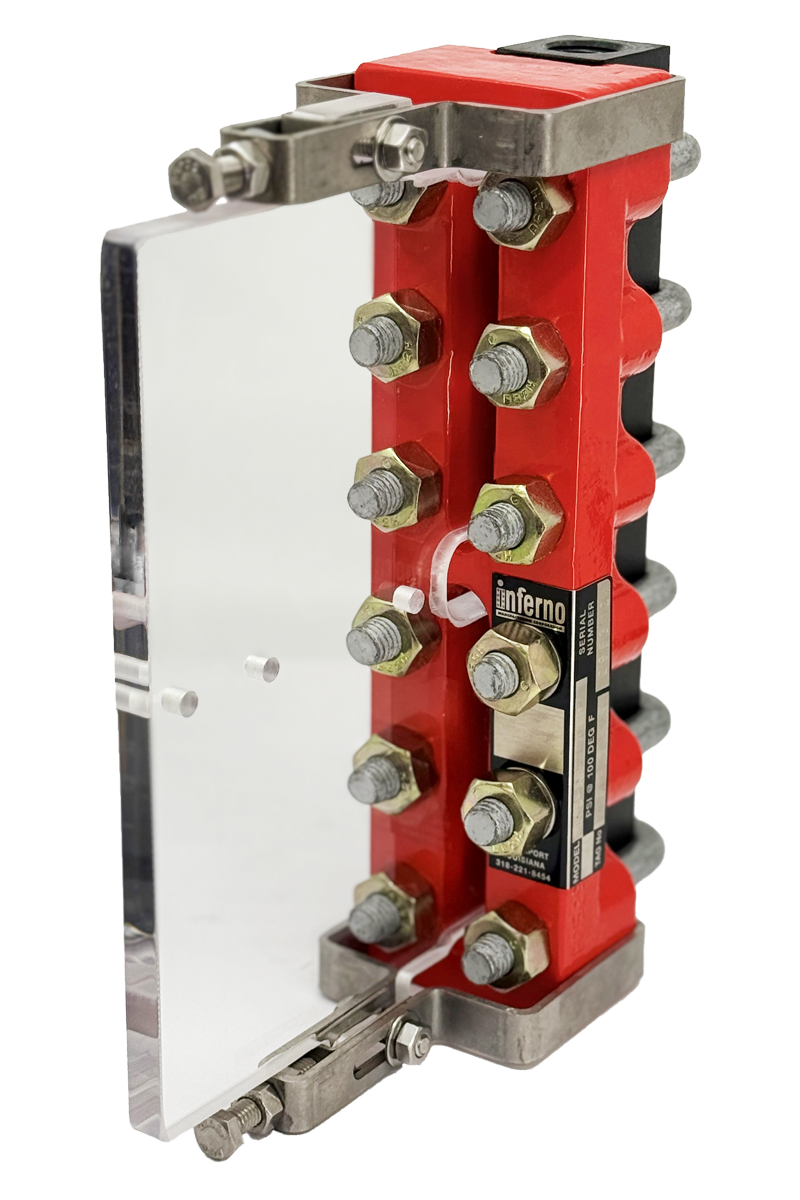
Glass is retained in cast steel cover flange, deeply recessed and surrounding glass on the sides, “wrap-around” style. Chamber is machined in single piece, from square bar. Sealing gasket sits on flat top of gage chamber, and is retained along its thickness by the recessed area of the cover flange. Glass seating surface is flat without recess, making it easy to maintain with a flat file during maintenance. A recessed seating area in the chamber is not required for seal gasket retention under high fluid pressures
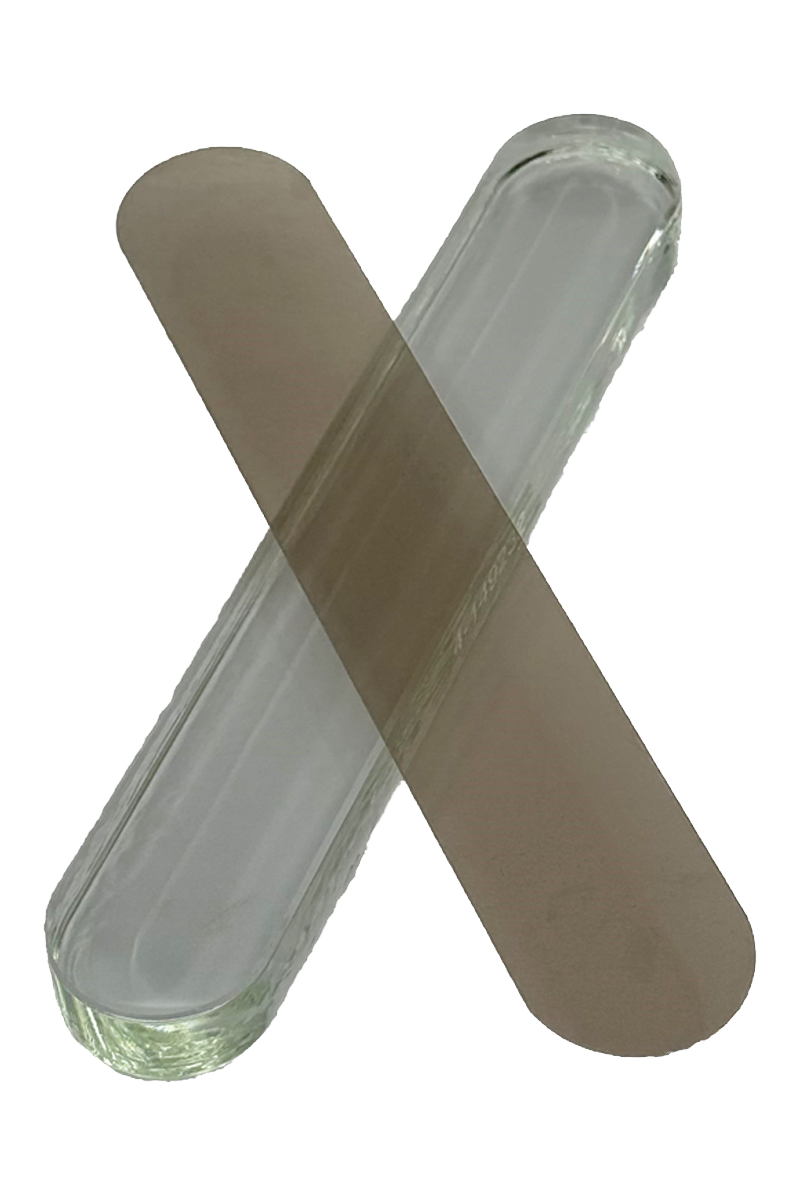
Both faces of the transparent glass are smooth and polished. Natural back lighting enhances the view from the front of the level gage. Explosion proof illuminators or other artificial lighting can be added for night- time vision or where the process causes residues to plate out on the inner surfaces. Mica shields can be added to transparent, plain type glass in order to extend the temperature range of hot water/steam service, or caustic service above 125°F, applications where the glass suffers from chemical attack. For HF service we recommend that gage glass columns NOT be used, because CTFE shields are eventually penetrated and the glass quickly dissolved by this dangerous chemical Transparent gages are “double sided” and therefore heavier and more expensive than reflex type
Transparent type gages are typically selected for three-phase systems where there are two liquid phases in addition to the gas phase. Transparent glass is useful for applications such as oil & gas production separators to distinguish the aqueous from the hydrocarbon phase, aka the “interface”. At a higher elevation on a vertical vessel where hydrocarbon & gas must be distinguished, a reflex type level gage can be used. A reflex can also be used on a horizontal 3 phase separator on the “oil side” of the weir
Some operators prefer transparent glass for all applications, perhaps because of bad experience using a reflex type where a transparent is required. Many oilfield product tanks are specified with transparent type glass when reflex would be a better choice. In order to read a clear liquid in a transparent glass the operator must be close to the instrument. On large bulk NGL horizontal tanks where the bottom of the level gage is above the operator’s head the reflex style is a better choice. Reflex levels can be seen from a distance, even in clear liquid service, unlike transparent type